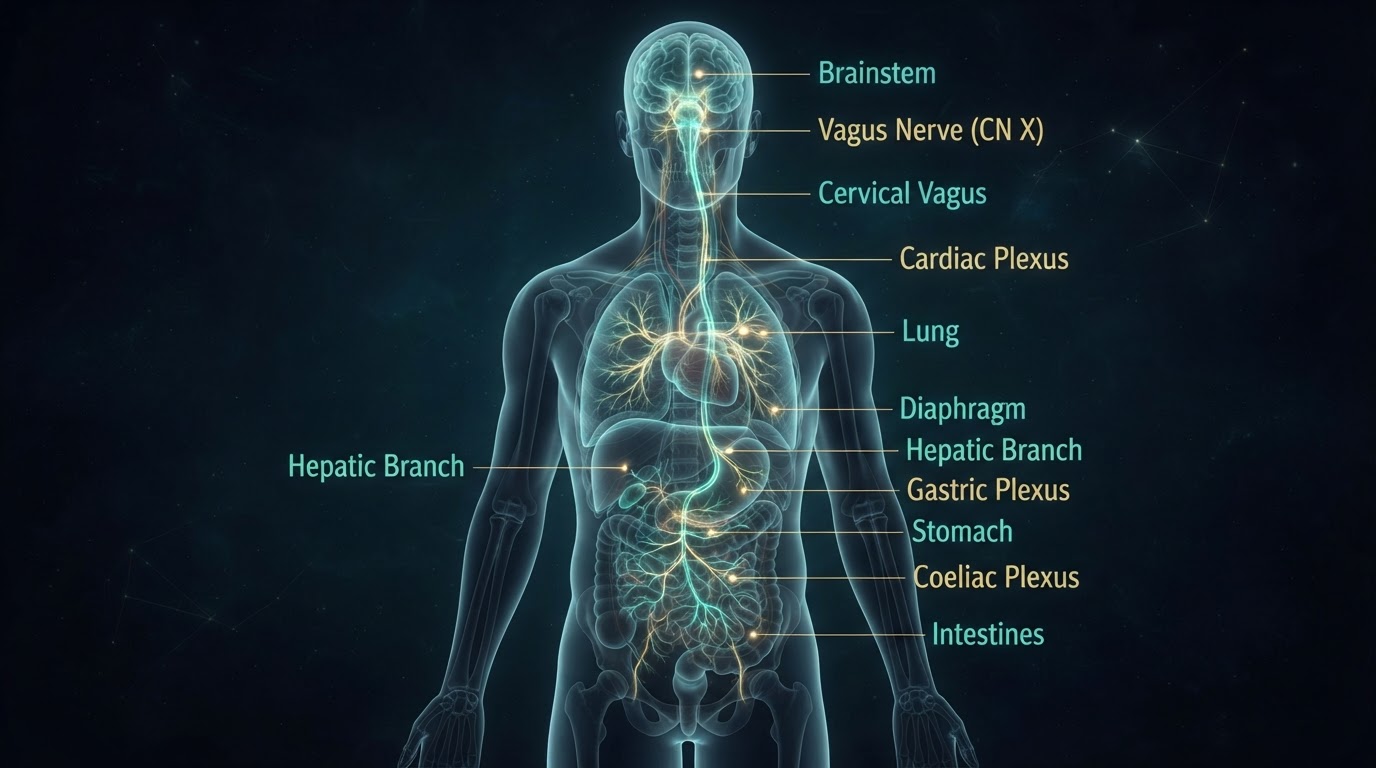
Concussions, mold exposure, chronic pain, prolonged stress, fear, anxiety, depression — all of these can create real structural changes in the brain. They disrupt the gut-brain axis and throw the autonomic nervous system (and the vagus nerve) out of balance. The body gets locked in sympathetic overdrive, and the parasympathetic “rest and digest” state must be restored before anything else can heal.
But here is the catch: calming the nervous system alone does not rewire the brain. If trauma — whether from chronic illness, childhood, long-term stress, or emotional wounds — has altered how your brain functions and takes in information, regulation practices are only the beginning. These are two different areas, and often both need to be addressed.
Brain retraining is a physiological issue, not a psychological one. You cannot simply talk yourself out of a state of dysregulation. Trauma changes the way the brain processes information at a subconscious level — something you cannot continuously will to change. To recover, you must retrain and rewire how the brain thinks and processes input.
Tapping, breathwork, and other immediate calming techniques are very helpful in the moment — when you're stuck in stress, depression, anxiety, fear, or freeze. They reset the vagus nerve and bring temporary relief. However, these are temporary fixes. Practiced frequently, they train the brain to return to safety sooner, but they are not yet getting to the root. Fully resetting the brain takes more devotion and time than a 30-second tapping session.
Creating the environment for retraining. Many of the same practices that support vagus nerve stimulation also apply to brain retraining:
• Regular exercise and movement
• A nutrient-dense diet
• Deep, intentional breathing
• Active stress reduction
• Consistent self-care
This is because when your body is stuck in fight or flight, your brain cannot access the safe space it needs to rewire. You must create an environment that allows the retraining to actually take hold.
The core brain retraining approaches include:
• Acceptance and Commitment Therapy (ACT)
• Somatic Experiencing
• Limbic System Retraining
• Dynamic Neural Retraining System (DNRS)
• Mindfulness-Based Cognitive Therapy (MBCT)
• Brain-stimulating exercises: learning or playing music, crossword puzzles, memory games, or learning a new language
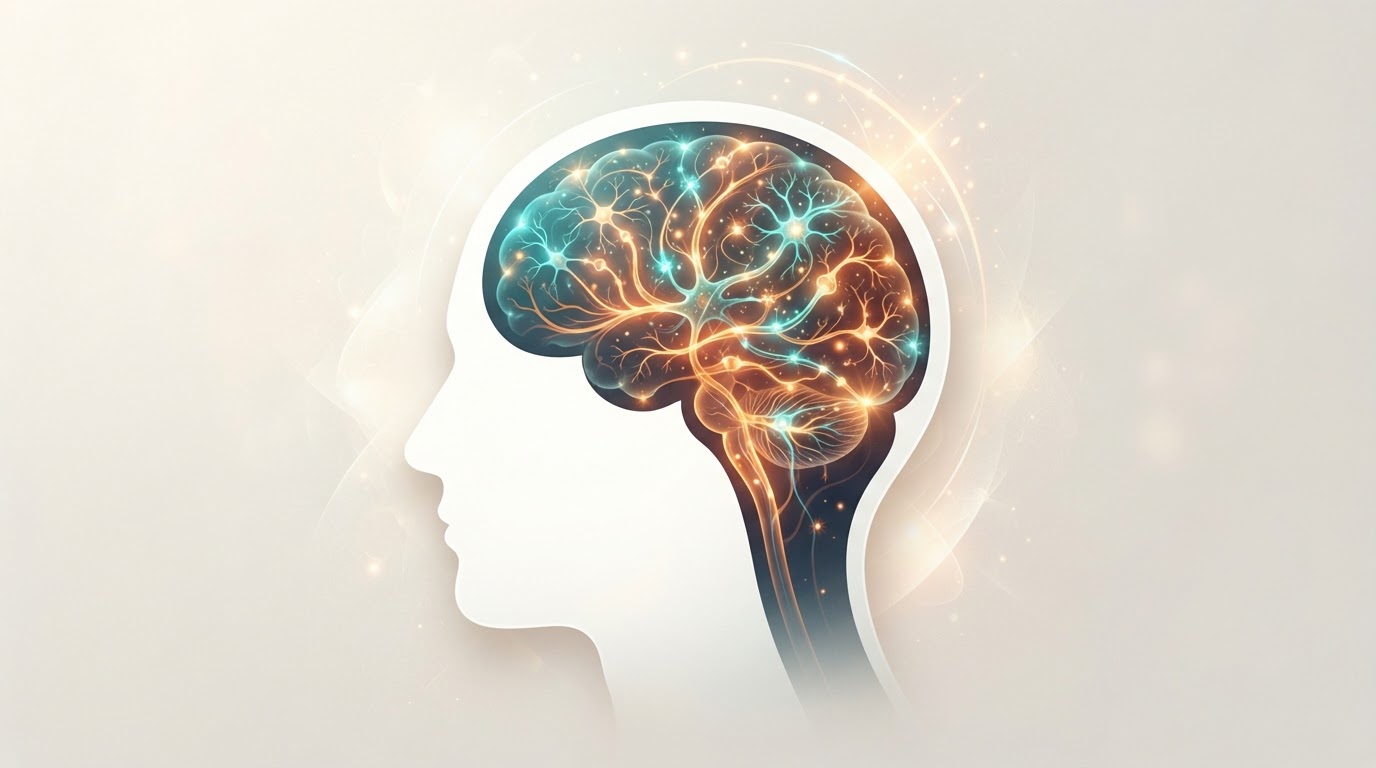
Each of these works with the brain's neuroplasticity — its ability to form new neural pathways and weaken old, maladaptive ones. The brain is incredibly resilient; research shows that even after traumatic injury, survivors can make astounding recoveries as the brain repairs and rewires itself.
The key is consistency over intensity. Small, daily practice signals to the brain that the old threat patterns are no longer needed, and that safety is the new baseline. Over time, the rewiring becomes the default — and that is when lasting healing begins.
Related conditions: