Endometriosis
Endometriosis is a disease in which tissue similar to the lining of the uterus grows outside of it. It is increasingly recognized as a systemic, whole-body inflammatory disease rather than just a reproductive issue. It often grows on the outside of the uterus, but is commonly found on nearby organs, nerves, or other tissue, creating the potential to fuse tissue together and cause significant pain or blockage. It can migrate to other tissues and organs as well, and has been found on the lungs, stomach, and even the neck.
What causes endometriosis to grow? It is an inflammatory condition, and some doctors have referred to it as "non-cancerous cancer" or having autoimmune similarities with constant growth and still no direct known cause. However, when the focus turns on how to reduce symptoms, as with other chronic conditions, these often lead to uncovering some potential growth stimulants — MCAS, autoimmune disease, low-lying constant inflammation from chronic illness or infection, environmental factors such as mold, and more.
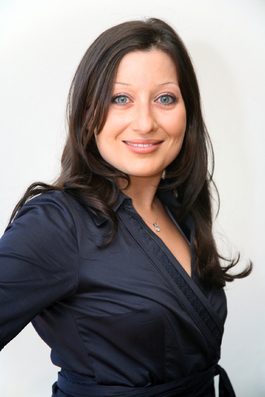
Endometriosis is graded by four stages. The stage, however, doesn't necessarily signify the level of pain one may experience. Someone with stage one or two may experience severe pain, while stages 3 or 4 may not have many symptoms at all. Dr. Drummond's Integrative Women's Health Institute is one of the leading voices with resources and knowledge in endo. Integrative Women's Health Institute is one of the leading voices with resources and knowledge in endo.
While endometriosis is becoming more recognized within the medical world, it is still widely unknown to young women, and education needs to be more front and center. While 10–11% of women are said to struggle with this disease, it is vastly misdiagnosed or undiagnosed and is believed to be much higher than that.
Endometriosis can now be diagnosed clinically based on your medical history, symptom evaluation, and physical exams, paired with a transvaginal ultrasound or MRI. While laparoscopic surgery remains the only definitive way to visually confirm and biopsy the tissue, modern guidelines allow treatment to start earlier without requiring surgery.
If surgery is required (often due to debilitating pain, bowel blockage, or infertility), find a surgeon who specializes in laparoscopic excision surgery — not ablation. Ablation simply burns the endometriosis lesions and surrounding tissue, where it can grow back or create worse symptoms around the scarred tissue. A highly recognized source for vetted laparoscopic surgeons is Nancy Nook's Facebook group, where a wealth of knowledge is shared as well. However, always do due diligence in looking up even these surgeons' reviews or connecting with a patient who has gone through surgery with a specific doctor first, before deciding who to go with. While surgery should never be the first choice, it may be the right choice given circumstances.
After surgery, and certainly if not getting surgery, there are many lifestyle practices to implement to reduce symptoms (there is a list under resources). Getting evaluated for MCAS, chronic infections, mold, or autoimmune conditions is also key.
Endometriosis, like any other inflammatory condition, has triggers and drivers. Discovering and managing these can drastically reduce symptoms. Endometriosis can start — and for some, end — with personal choices and decisions. It can start with self-education and advocacy. These can go a very long way.
Common Symptoms
Causes & Triggers
- Retrograde menstruation
- Cellular metaplasia
- Immune system disorders
- Genetics and environmental toxins
- MCAS and chronic inflammation
- Environmental factors such as mold exposure
Diagnosis
Endometriosis can now be diagnosed clinically based on your medical history, symptom evaluation, and physical exams, paired with a transvaginal ultrasound or MRI. While laparoscopic surgery remains the only definitive way to visually confirm and biopsy the tissue, modern guidelines allow treatment to start earlier without requiring surgery.
Treatment Approaches
Not Sure Where to Start?
Take our free Root Cause Assessment to help identify whether your symptoms are primarily driven by genetics, environmental toxins, or nervous system dysregulation.
Take the Free AssessmentTop Endometriosis Specialists